

Many patients receive a surgical recommendation quickly, even when the real situation is more nuanced. The important question is not only: Can surgery be done? It is: Should it be done?
Before surgery, logic matters more than fear
A good surgical decision needs a clear line of reasoning: which nerve or structure is causing the symptoms, what the operation is trying to achieve, and how likely it is to produce meaningful improvement.
When that chain is weak, the risk of overtreatment rises.
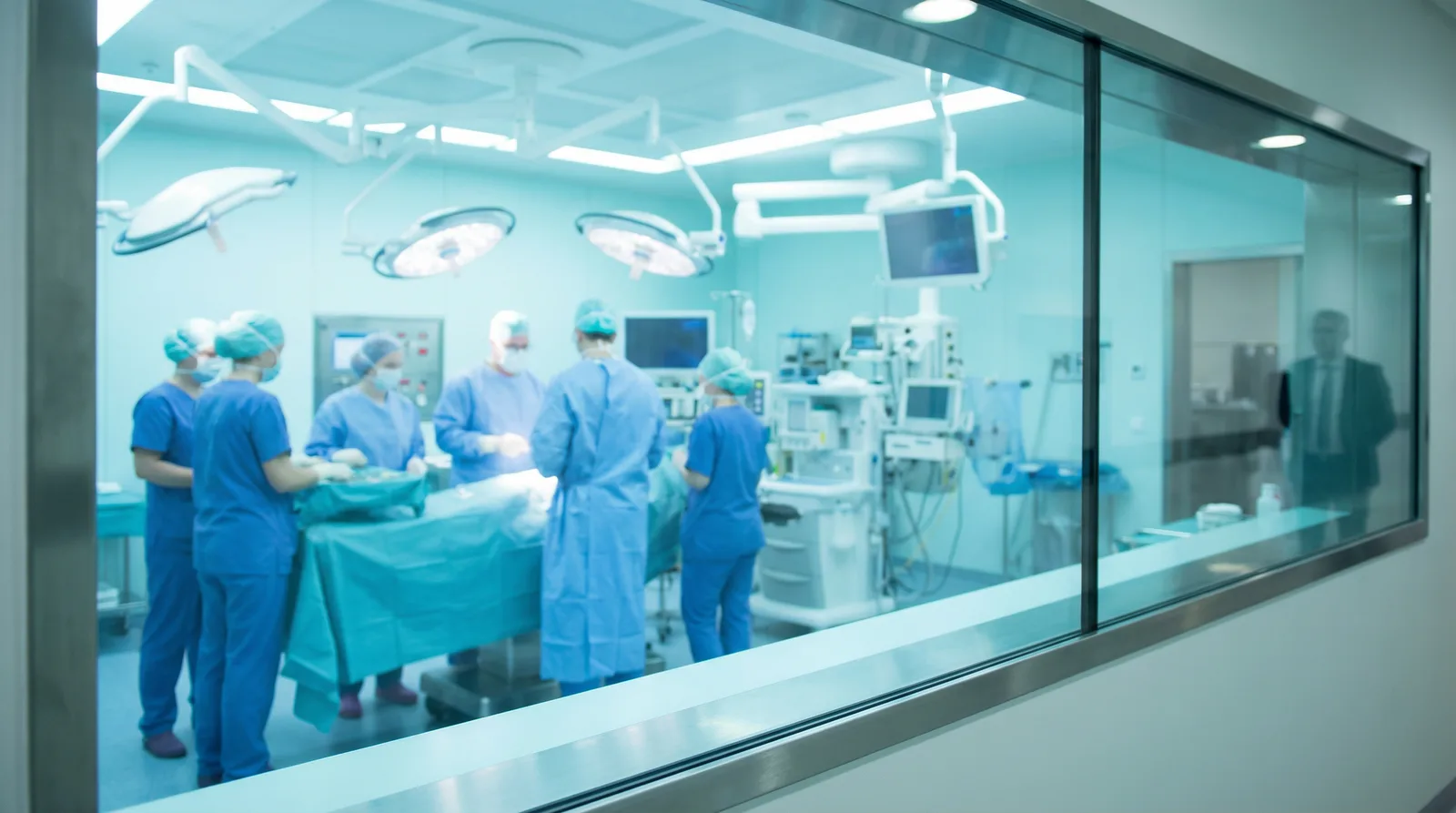
Weighing the Decision
When surgery becomes more reasonable
- When there is clear neurological loss or progressing weakness.
- When the imaging and the symptom pattern clearly match.
- When conservative treatment has been used properly and has failed.
- When daily life and function remain seriously limited.
When extra caution is needed
- When scans are driving the decision more than symptoms.
- When the recommendation feels rushed or overly aggressive.
- When benefits, risks, and alternatives are not explained clearly.
- When several possible pain sources may be present at once.
The four checkpoints before spine surgery
Symptoms
The symptom pattern must fit the structure being targeted.
Findings
MRI and examination should tell the same clinical story.
Alternatives
Reasonable non-surgical options should be considered honestly.
Goal
The expected benefit should be defined clearly and realistically.
Why a second opinion often changes the decision
In spine surgery, an independent review of the diagnosis, urgency, and treatment goal is often the most valuable step. Only then does it become clear whether the goal is true nerve decompression, structural stabilization, or whether non-surgical care still deserves more time.
Frequently Asked Questions
A good explanation clearly defines the target of surgery, shows how the findings match the symptoms, discusses alternatives, and explains realistic benefit and risk. Generic statements are not enough.
Not always. With clear neurological loss, speed may be appropriate. The concern is when pressure is applied without a coherent explanation of why.
Yes. The point is not to avoid surgery at all costs. The point is to make sure the operation is truly the right decision for the right reason.
Further Information
The following sources serve as reliable external references. Final academic citations will be added before publication.
Medically reviewed by Dr. med. Christian R. Etter
Orthopaedic Surgery FMH, specialized in spine surgery
Last medical review: April 2026
View curriculum vitaeGet Your Second Opinion Now!
Usually covered by your Swiss health insurance.
With the Covid pandemic, online competence has increased significantly, even among older people. The home office trend has also shown what is possible online. Telemedicine has made significant progress in the wake of this development, and especially for a quick answer to the question of whether an operation is sensible or not, the personal meeting in the "digital space" is a valuable addition.
How it works
Fill out the questionnaire and upload your documents.
The spinal surgery specialist has access to the documents immediately after receipt in an EU-compliant, data-secure cloud, enabling an extraordinarily fast preparation of the second opinion. Based on the documents, the expert first assesses the urgency. In any case, you will receive the second opinion within 5 working days, with express option in 2 days. In complex case situations, the opinion of an international expert is additionally obtained.
Within 5 working days you will receive the second opinion via email. For ordered emergency express second opinions, you will receive it within 2 working days. At the same time, you will receive a summarizing voice memo with deeper explanations. Together with the second opinion, you will receive an appointment for a 15-minute follow-up discussion via Zoom, Skype or FaceTime. This way, any uncertainties can be clarified.